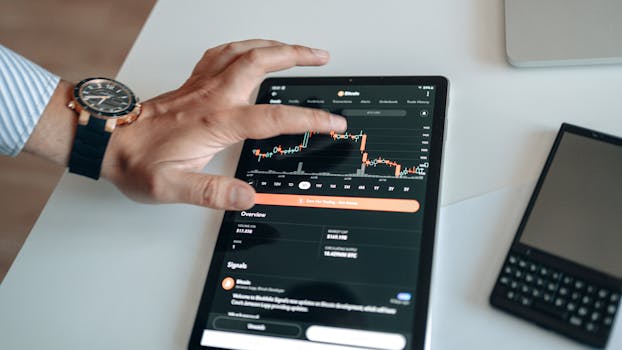
Ever wondered how your card purchase clears in seconds even when you’re halfway across the country? That’s the quiet power of automated transaction systems at work, making approvals nearly invisible.
Digital finance has grown up fast. Whether you’re grabbing coffee, booking flights, or shopping for groceries, these systems shield us from the old days of manual reviews and long waits.
Come along as we pull back the curtain on how financial institutions rely on automation to swiftly approve your transactions—so you can get on with your day, wherever you are.
Rules in the Background: What Sets Fast Approvals in Motion?
Quick approvals aren’t random. Banks build strict sets of rules into their automated transaction systems to catch fraud and spot normal activity in a split second.
Picture your card swiped at a local gas station—an algorithm checks, “Does this match your usual pattern?” If so, green light. If not, automated systems might pause to double-check.
Patterns, Profiles, and the Everyday Shopper
Each account builds a dynamic profile over time, tracking how, where, and when you spend. Automated transaction systems silently learn your habits.
If a transaction fits the pattern, approval is instant. If it doesn’t, the system runs deeper checks—has your card traveled unusually far? Is the purchase amount out of line?
An example: A New York resident buying coffee locally triggers an easy pass. The same card buying luxury jewelry in Paris triggers scrutiny—a direct result of these silent rules.
Decision Trees: A Rapid-Fire Checklist
Imagine a cascading checklist: Step one, compare location. Step two, scan for recent failed attempts. Step three, weigh the purchase amount.
These decision trees aren’t static. Automated transaction systems get smarter as more transactions flow through, tuning their branching logic to cut fraud and frustration.
The takeaway? Every swipe or tap hits this rapid digital checklist before you can blink—a process designed for accuracy without slowing you down.
| Rule or Check | Example Input | Action Taken | Takeaway |
|---|---|---|---|
| Location Match | Gas station near home | Approve instantly | Stay within usual regions for frictionless approvals |
| Time of Day | Late-night charging spree | Trigger additional checks | Odd hours often prompt an alert |
| Spending Velocity | Multiple charges in one minute | Potential block or review | Rapid-fire purchases look suspicious |
| Purchase Type | Unusual high-value item | Extra authentication needed | Big leaps in spending ask for stronger proof |
| Failed Attempts | Several incorrect PINs | Account freeze options | Protects from brute-force fraud risks |
Instant Decisions: The Anatomy of a Millisecond Approval
Every card swipe sets off a chain reaction between merchant, processor, and bank. Automated transaction systems form the link that makes approvals happen within milliseconds.
What actually happens behind the scenes? Each party checks the transaction in parallel. Fraud rules, balance checks, and security measures each get their own mini checklist.
Actions the System Performs
Beyond the simple yes or no, your bank’s software checks recent activity, scans for data leaks, and assigns a confidence score to the transaction.
Automated transaction systems use machine learning to compare your purchase against billions of patterns without anyone typing a line of code in the moment.
- Verify available balance to minimize declined transactions in real-time; banks don’t want frustrated customers or unnecessary calls.
- Cross-check cardholder’s device fingerprint because consistent device use means safer transactions; new devices may signal risk.
- Flag velocity patterns if five purchases happen at unfamiliar shops within minutes; this speeds up responses to potential card theft.
- Auto-enforce spend limits set by account rules; these boundaries protect both bank and customer from common fraud tactics.
- Match against hotlists of compromised card numbers; stops known fraud within seconds—no manual review needed.
With so much happening in parallel, the process feels instantaneous to customers. For banks, it’s a dance of rules and rapid computation.
When Human Eyes Jump In
Thankfully, most approvals happen in a blink, but not all. If a transaction pings several red flags, automated systems flag it for manual review.
Instead of a full halt, some banks trigger a notification—say, a text message confirming it’s really you. Adding this layer avoids unnecessary blocks while catching true risks.
- Trigger customer authentication for flagged transactions; text or app confirms prevent many false declines.
- Send challenge questions if geolocation mismatch is detected; quick calls can resolve most anomalies, restoring account access fast.
- Route suspicious high-value transfers to dedicated team; these staffers investigate using both automation logs and extra context.
- Escalate brand new device logins to fraud analysts; human review steps in when machine learning can’t be sure.
- Record systemic false positives for ongoing tuning; banks adjust rules so everyday purchases remain seamless.
Automation never fully replaces human judgment where nuance matters—it’s a partnership for constant safety and speed.
Invisible Guardrails: Real-Life Scenarios for Safer Spending
Automation isn’t just about speed. It quietly lays down invisible guardrails, keeping most transactions smooth while stopping fraudsters in their tracks.
Mini Scenario: Quick Response Stops Fraud
Consider this: A college student in Seattle checks her account and spots a charge for luxury shoes in Milan. She didn’t make the purchase.
A quick SMS from her bank appears: “Did you attempt this transaction?” She replies no. The bank instantly blocks further activity using automated transaction systems, and her funds stay safe.
Rule-Based Protection: Your Digital Fingerprint
Every bank card develops a digital fingerprint—where it’s used, at what shops, for how much. Automated transaction systems compare each new attempt to this signature.
If the card suddenly appears on another continent, the bank can freeze it or request confirmation, often faster than you’d notice yourself.
Variables You Control: Tweaking Your Transaction Experience
Many banks let customers adjust how automated transaction systems handle approvals. Tweaking a few settings helps balance convenience with safety.
If you travel abroad or make large purchases, consider updating your bank with this information. The system can then relax certain rules, leading to fewer false alarms.
Practical Checklist for Travelers
Before you set off on vacation, log in to your bank app. Set travel notices, review spend limits, and update multi-factor options.
This preparation reduces the chance your card is blocked for unusual overseas activity, letting automated transaction systems work in your favor.
- Set up travel notifications so the bank knows to expect foreign charges; this decreases declines due to location mismatch.
- Adjust daily spend limits for planned big-ticket buys; prevents unexpected card holds at critical moments.
- Enable instant alerts for every transaction; immediate notifications keep surprises off your statement.
- Review account contact info; if the bank can’t reach you quickly, they may freeze your card longer for safety.
- Double-check trusted device settings; logging in on a recognized phone or laptop speeds up authentication abroad.
These tweaks support the automation rules behind the scenes, making your experience smoother wherever you go.
Everyday Settings for Local Security
Staying home? Some settings matter just as much. Limit online transactions, require two-step confirmation, and monitor recurring payments closely.
Small security tweaks reduce the chance of someone else exploiting your card or account details undetected.
- Use transaction alerts even for small purchases; this brings instant awareness to unexpected charges.
- Require fingerprint or face unlock on your banking app; biometric layers are tough to bypass and often trigger automation fallback steps.
- Disable card for online payments when not needed; reduces attack exposure to web-based fraud attempts.
- Check subscription services regularly; automated approvals of recurring charges can hide new or unused sign-ups.
- Set up spending caps for certain vendors; extra control for family or shared accounts prevents surprise overages.
Adjusting local settings aligns human intent with the invisible rules of automated transaction systems, providing practical safety in daily life.
Comparing Manual vs Automated Approvals: Observations from Both Sides
Before automation, every flagged transaction meant waiting for a real person to review your case. Now, most checks happen in seconds, with only the most questionable needing manual eyes.
The speed difference is dramatic, but so is the reduction in human error. Automated transaction systems rarely “miss” patterns humans would overlook after a long shift.
Everyday Impact: Reduced Hassle but More Data
In practice, today’s systems keep your account safer, and your day uninterrupted—unless you’re traveling far or making unusual purchases. Of course, this convenience comes with more data about your habits in play.
Anyone who’s ever had a card declined while on vacation knows the pain of outdated manual checks. Real-time automation avoids most such surprises—provided you update your travel info first.
Human Oversight: What Stays Manual
Not everything is handled by machines. Disputes, customer complaints, and truly tricky fraud attempts still reach specialized teams.
Automated transaction systems do the heavy lifting for speed and routine cases, passing edge cases to well-trained humans equipped with richer insights from logs and analytics.
The best systems never fully remove people; they just let staff focus where judgment—and empathy—matter most.
Routines for Smoother Transactions: Habits That Work with Automation
Small tweaks to your routine can help automated transaction systems perform their best for you. Routine checks, updates, and a touch of vigilance add up quickly.
Weekly Habit: Quick Account Reviews
Dedicating five minutes each week to scroll recent transactions can spot unauthorized activity early. This check pairs well with your morning coffee or before a weekly budget review.
If you find odd charges, notify your bank right away. Automated transaction systems then kick in with advanced fraud mitigation to preserve your funds.
Monthly Routine: Update Contact and Security Settings
Set a calendar reminder every month to review your bank’s security settings. Tweak spending limits, update two-factor authentication, and reconfirm device trust status.
Think of this as routine maintenance—like running a car diagnostics check. You spot small issues before they blow up, helping automation do its job while you stay protected.
What the Future Holds for Automated Approvals
Automation is getting smarter—think voice authentication, real-time behavioral analytics, and adaptive rules. The more these systems learn, the nearer we get to frictionless (and worry-free) payments.
New tech like biometric scans and artificial intelligence will let banks fine-tune approvals to feel almost invisible—no more false declines, fewer real threats.
Still, as these systems improve, staying vigilant will matter. Technology catches a lot, but responsible habits on your end create the perfect partnership.
Bringing It All Together: Everyday Security Without the Hassle
We’ve covered how automated transaction systems power those quick approvals, weed out fraud, and keep digital finance running at full speed.
Behind that instant yes or no are rules, routines, and invisible checks—all designed to make your daily spending secure but seamless.
The next time you swipe, tap, or click, remember: A smart system and a few well-placed habits can keep your finances safer than ever—without you having to slow down.